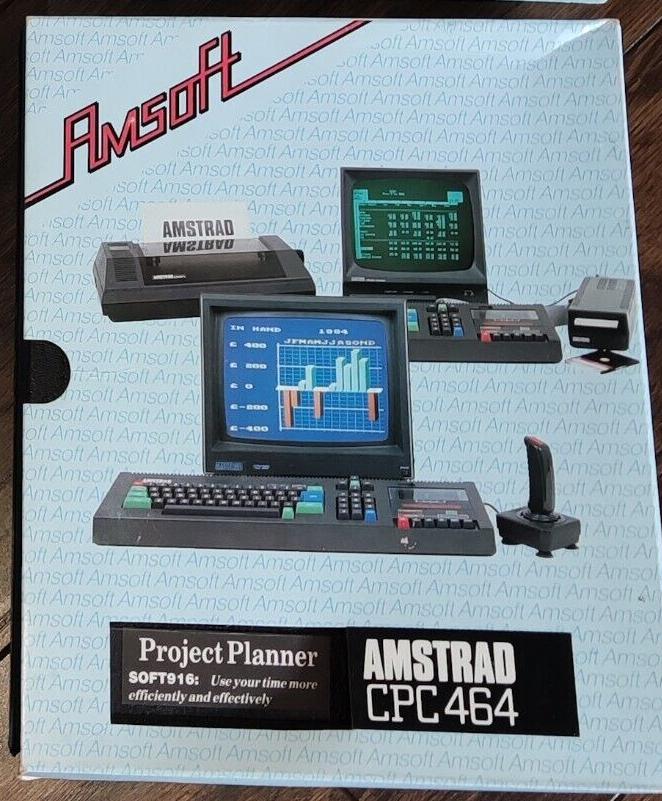
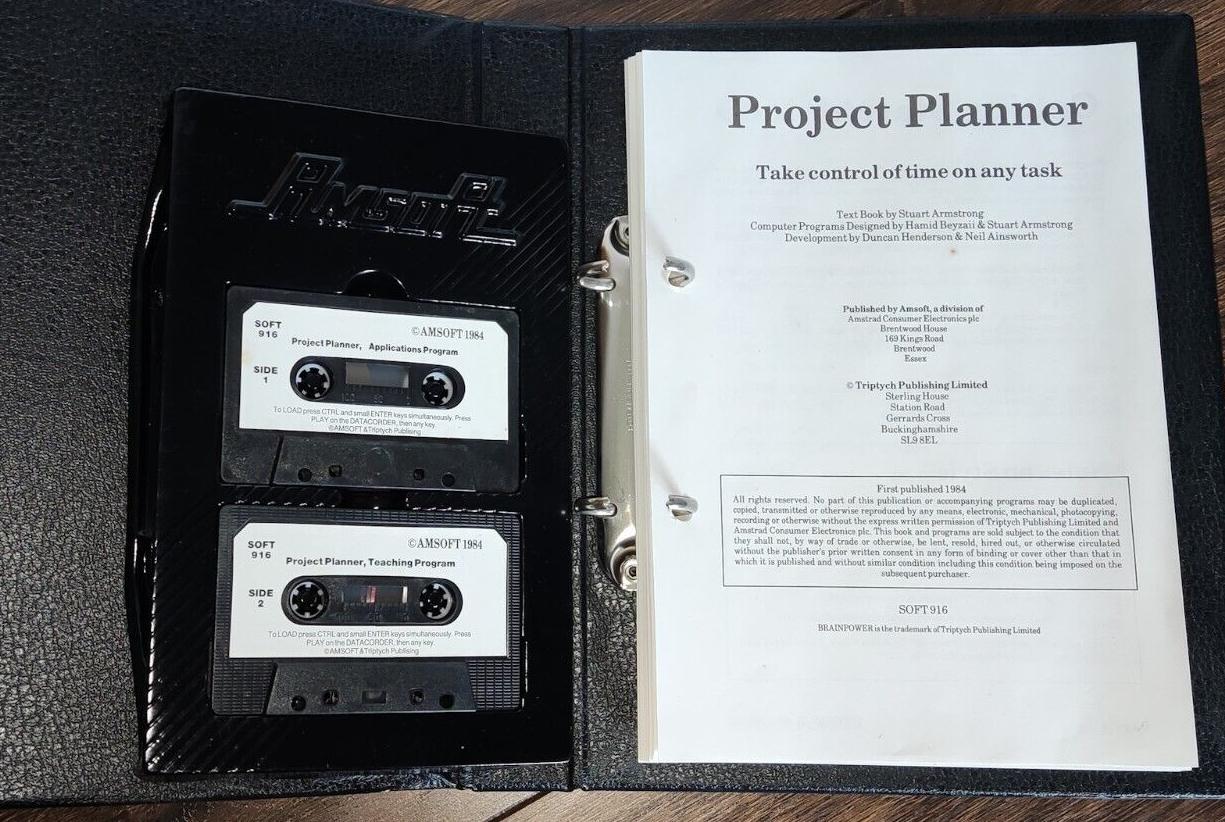
Plan ahead Any kind of manager, whether organising flower shows or building houses, will tend to use a technique called Critical Path Analysis even if they couldn't put a name to it. Whatever you're trying to organise, there are likely to be things that can proceed in parallel, and other events which must be completed before a following vital stage can 3tart. Critical Path Analysis (CPA) is the name for a simple, yet sophisticated, technique for planning the schedule for any project, however complex. Trouble is, although the basic concepts can be understood and appreciated quite readily, a lot of arithmetic is involved in using CPA effectively. This is where a micro can come in. With a micro many advanced management techniques become accessible to the home user. But to apply these well, a good grasp of the principles and theory is needed. Accordingly, QL Project Planner contains a textbook and interactive teaching programs. As you may expect from Triptych both are very good. The package can safely be recommended to complete beginners, both to computers and CPA. That's user friendly! You tell the program the activities that comprise the project, tell it what needs to happen before what, and the time each activity will need. From this the program produces a chart which highlights the critical activities (whose delay would delay the whole project), and indicates where dawdling can be tolerated. Most usefully, activities can be modified, deleted or added while you watch the chart. This means you can experiment with 'what if questions until you are sure your schedule is robuts and can cope with the unexpected. Other reports show the timetabling of the events, both in true date terms and in terms of the time elapsed since the start of the project. The true or calendar dates are especially useful for lengthy projects where weekends, bank holidays, and other breaks must be taken into account. The early and late start and finish dates are shown for each part of the project together. The program will print all reports to an Epson FX or RX printer. The facility for milestoning is essential for serious use. Milestones can be used to indicate activities which cannot start until some external event has happened. They can also be used to split up your project should you need to specify more than 60 different activities. Versions of Decision Maker have been produced for the BBC, Commodore 64 and Amstrad CPC's. The QL version uses an 80 column display. programmes holidays and gives actual calendar dates. This impressive program with an established record makes 'real', ‘business' CPA available to a potentially huge market on a relatively cheap micro. John Tucker, PCW |