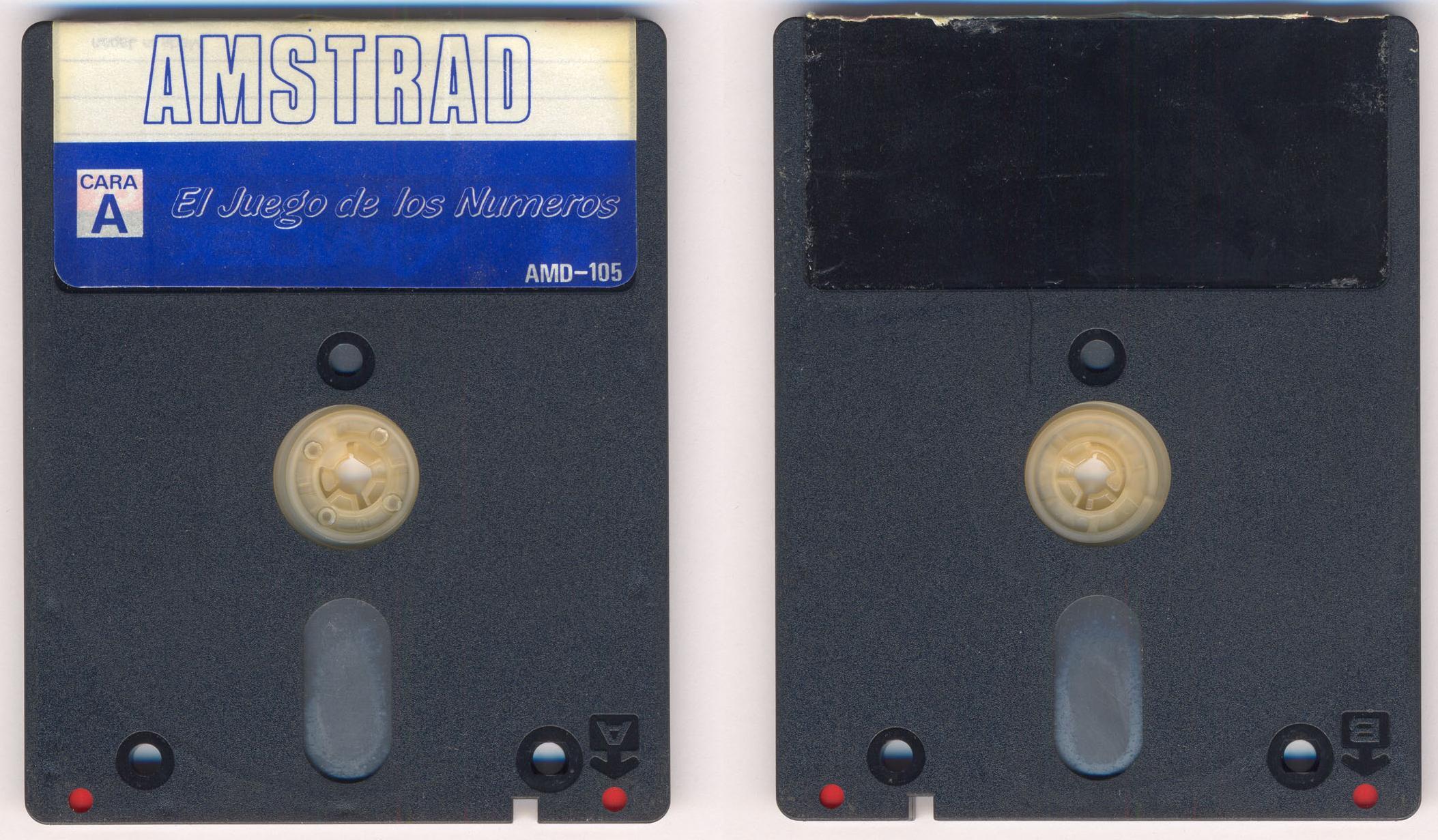
The principal reasons for using a micro as an educational medium is that the programs can be tailored to react to the user in proportion to the rate of learning and also that the colourful graphics and attractive sound can be used as an ‘attention grabber' and a ‘reward' to encourage the child to keep on trying. Unfortunately a lot of companies seem to fail to realise that your average 12 year old has almost inevitably spent hours playing the most advanced games on the computer and is in fact highly discerning when it comes to quality of programming. Jerky, slow, dull and uninspired graphics are surely even more off-putting than usual when burdened with the label of 'educational software'. Just as well then that ASK'S programming and presentation is faultless. Fast and accurate mental arithmetic is tested against an arcade format somewhat similar to the Panic computer game. You have a reasonably tight timespan within which to climb ladders up and down platforms collecting numbers which are used to divide, multiply, subtract and add together to reach a predetermined target number.   
The lowest levels are encouragingly easy and should suit most five year-olds whilst the highest levels can be very hard indeed so there is a real progression in ability. To confirm this there is an enclosed self test routine to measure any improvement in your performance. What makes it a winner also is the fact that the ‘gameplay' is slick, challenging and enjoyable enough to make it a medicine that is very easy to swallow. Tony Kendle, PCW |